This document is a part of the Big Data Primer containing 7 chapters providing Overview of Big Data, its dimensions, ecosystem, applications, challenges & concerns, sentiment analysis and Gamification.
In the fifth chapter titled "Sentiment analysis using Big Data" following content is discussed -
What is Sentiment analysis?
Examples of Sentiment analysis?
How Sentiment analysis works?
Undertaking Sentiment analysis using Semantria
Got a question about the product? Email us at support@flevy.com or ask the author directly by using the "Ask the Author a Question" form. If you cannot view the preview above this document description, go here to view the large preview instead.
Executive Summary
The "Sentiment Analysis Using Big Data" PowerPoint presentation equips corporate executives and consultants with the tools to perform real-time sentiment analysis leveraging big data techniques. This presentation provides a structured approach to understanding customer sentiments through various data sources, including social media and product reviews. By utilizing frameworks and methodologies outlined in this deck, users will be able to assess public opinion, gauge customer satisfaction, and derive actionable insights from sentiment data.
Who This Is For and When to Use
• Data analysts and data scientists focused on sentiment analysis projects
• Marketing teams aiming to evaluate brand perception and customer feedback
• Product managers seeking insights from user reviews and social media
• Business executives interested in understanding market trends and consumer behavior
Best-fit moments to use this deck:
• During product launches to assess initial customer reactions
• When analyzing brand sentiment before and after marketing campaigns
• In competitive analysis to compare brand perceptions across industry players
• For quarterly reviews to track changes in customer sentiment over time
Learning Objectives
• Define sentiment analysis and its significance in business contexts
• Build a framework for conducting sentiment analysis using big data
• Identify key themes and sentiments from customer feedback
• Analyze sentiment data to inform marketing and product strategies
• Utilize tools like Semantria for efficient sentiment analysis
• Develop actionable insights based on sentiment trends
Table of Contents
• Introduction to Sentiment Analysis (page 1)
• Examples of Sentiment Analysis (page 2)
• How Sentiment Analysis Works (page 3)
• Undertaking Sentiment Analysis Using Semantria (page 28)
• Case Studies: Hotel Reviews and Sports Sentiment (page 10)
• Competitive Analysis: McDonald's vs. Burger King (page 18)
• Tools and Techniques for Sentiment Analysis (page 29)
• Conclusion and Next Steps (page 49)
Primary Topics Covered
• Sentiment Analysis Definition - The process of detecting the contextual polarity of text, determining whether it is positive, negative, or neutral.
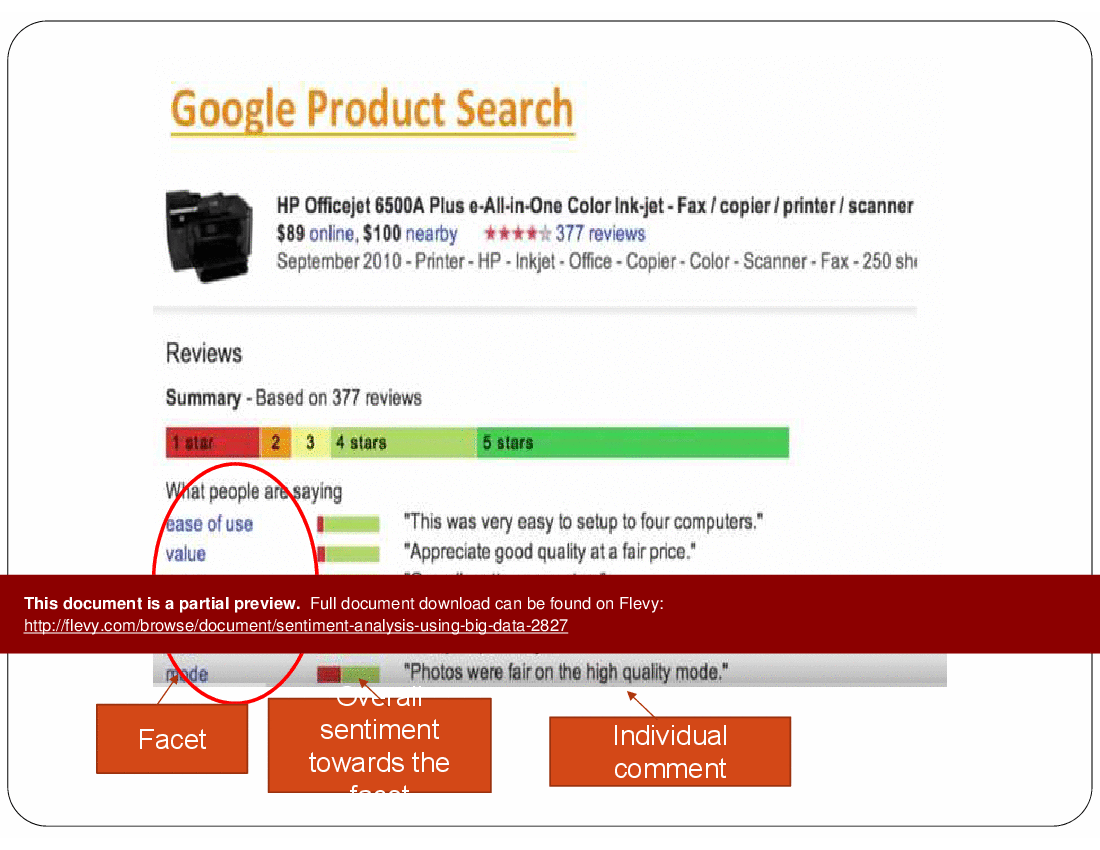
• Examples of Sentiment Analysis - Real-world applications, including customer reviews and social media sentiment tracking.
• Semantria Tool - A powerful tool for conducting sentiment analysis, providing insights into facets and attributes of customer feedback.
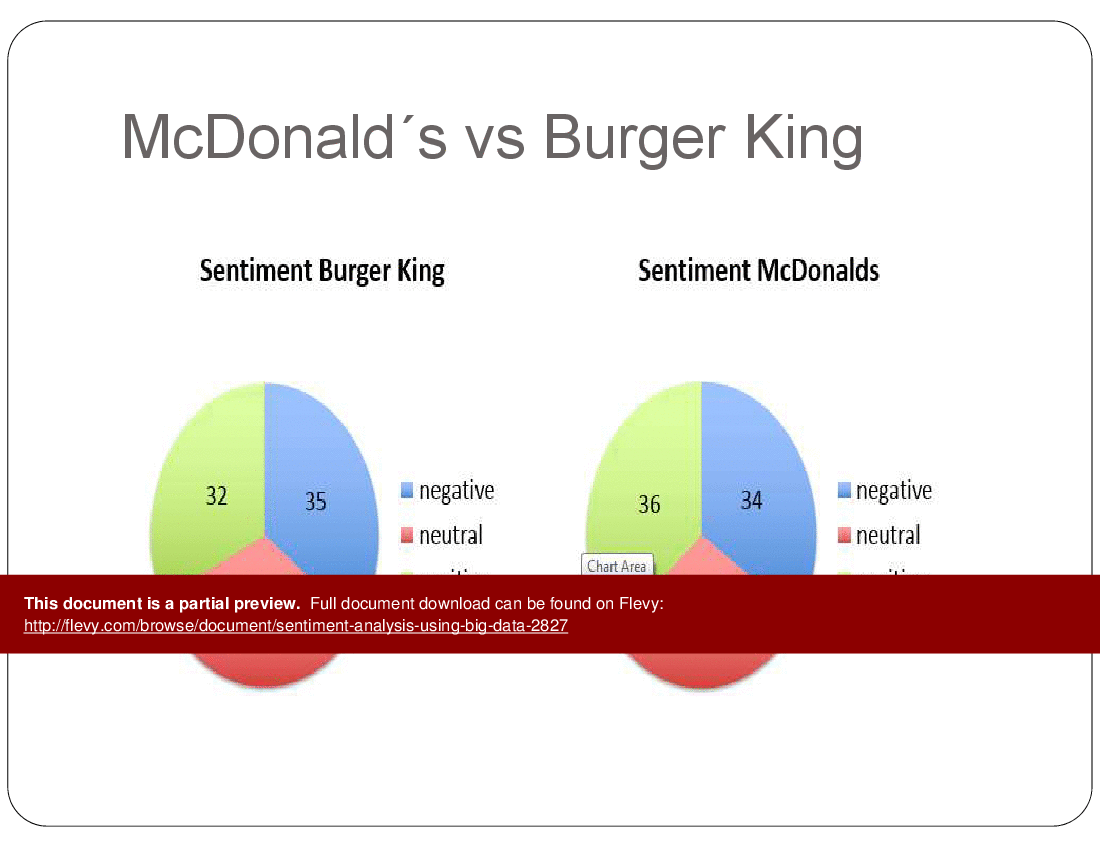
• Competitive Analysis - Comparing sentiment across different brands to identify strengths and weaknesses in public perception.
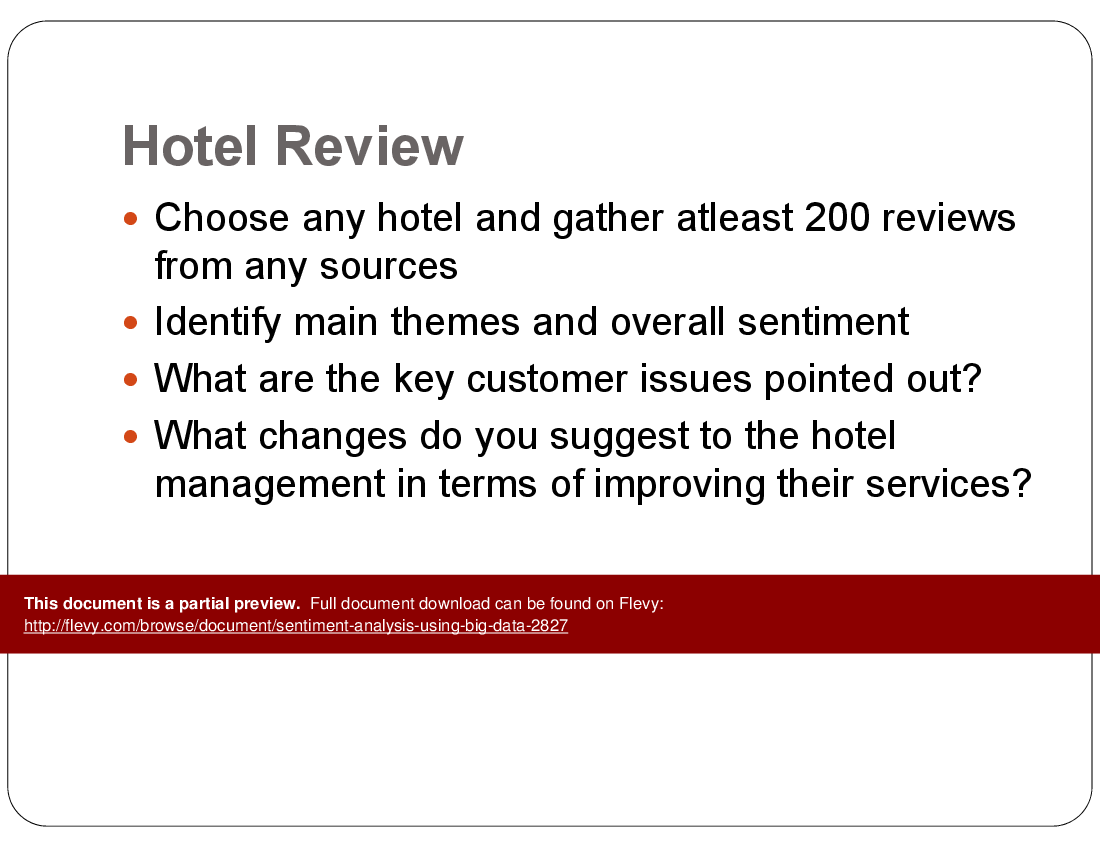
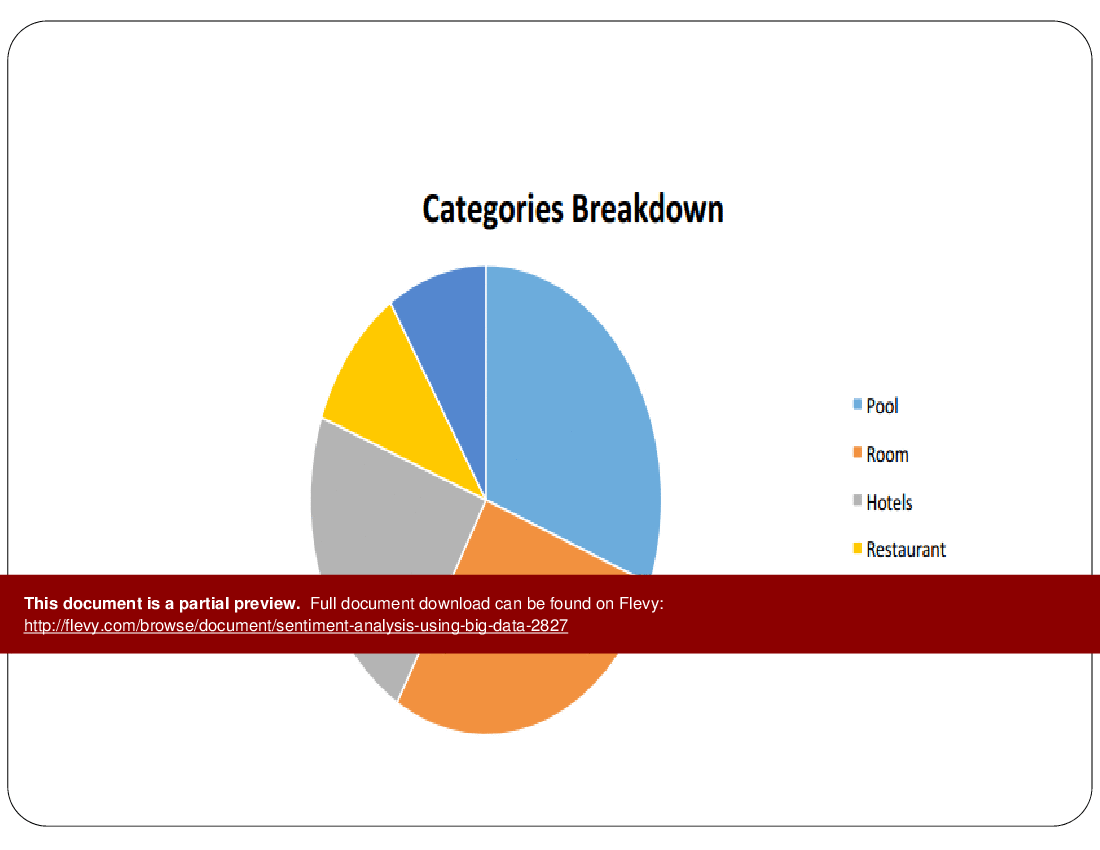
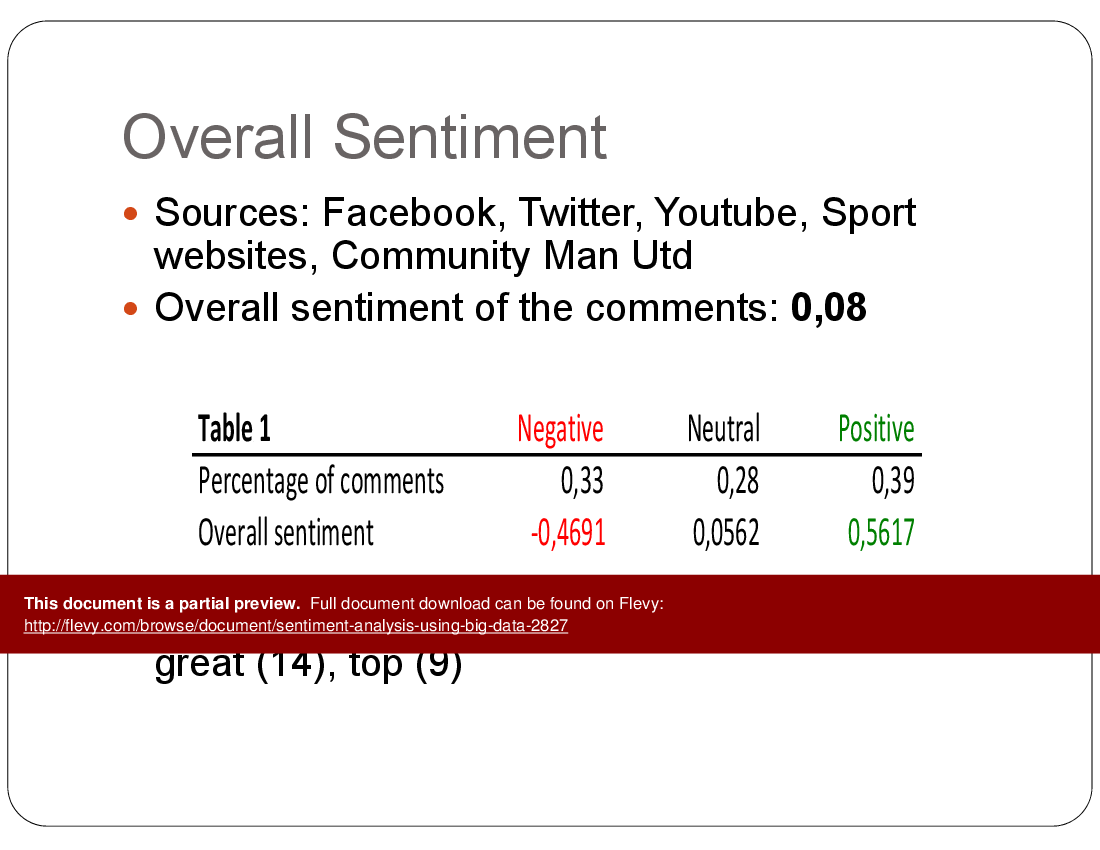
• Case Studies - Practical examples illustrating sentiment analysis in action, such as hotel reviews and sports team sentiments.
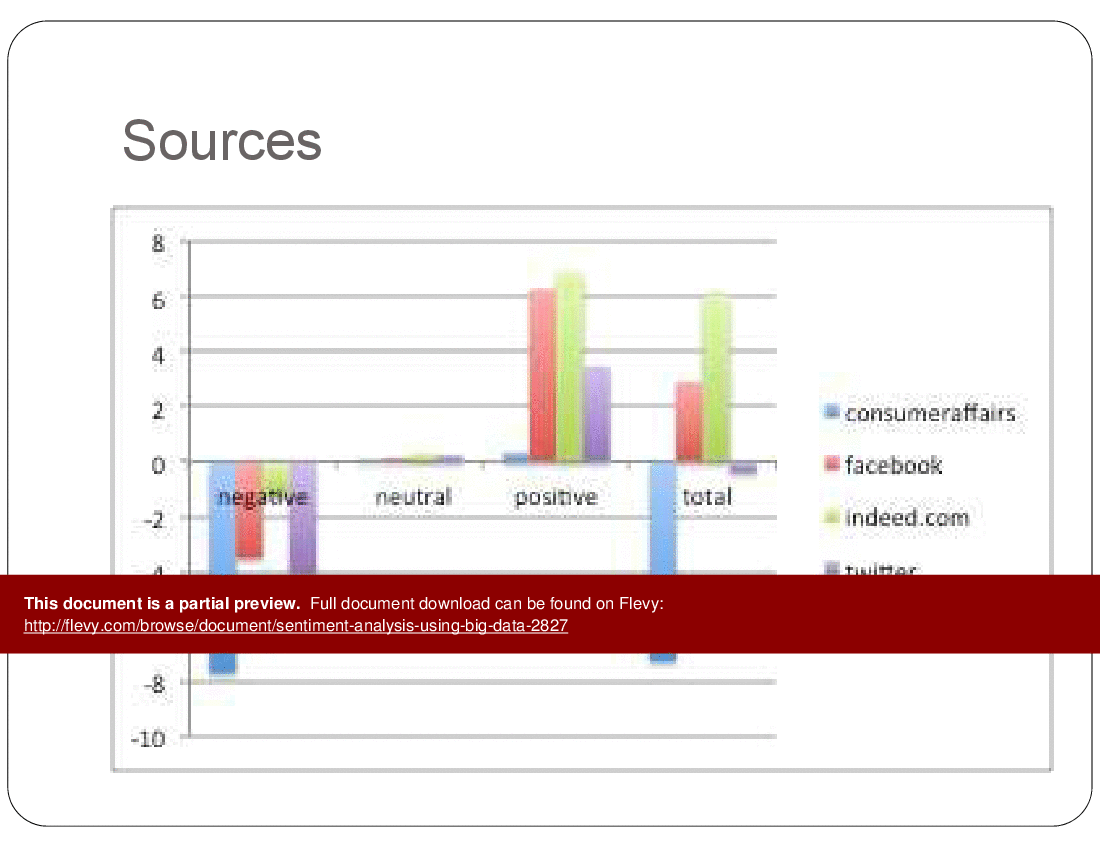
• Data Sources - Various platforms for gathering sentiment data, including social media, product reviews, and customer feedback.
Deliverables, Templates, and Tools
• Sentiment analysis framework template for structured analysis
• Case study examples for practical application in sentiment analysis
• Data collection templates for gathering customer feedback
• Semantria usage guide for effective sentiment analysis
• Competitive analysis comparison charts for brand sentiment
• Reporting templates for summarizing sentiment findings
Slide Highlights
• Overview of sentiment analysis with definitions and examples
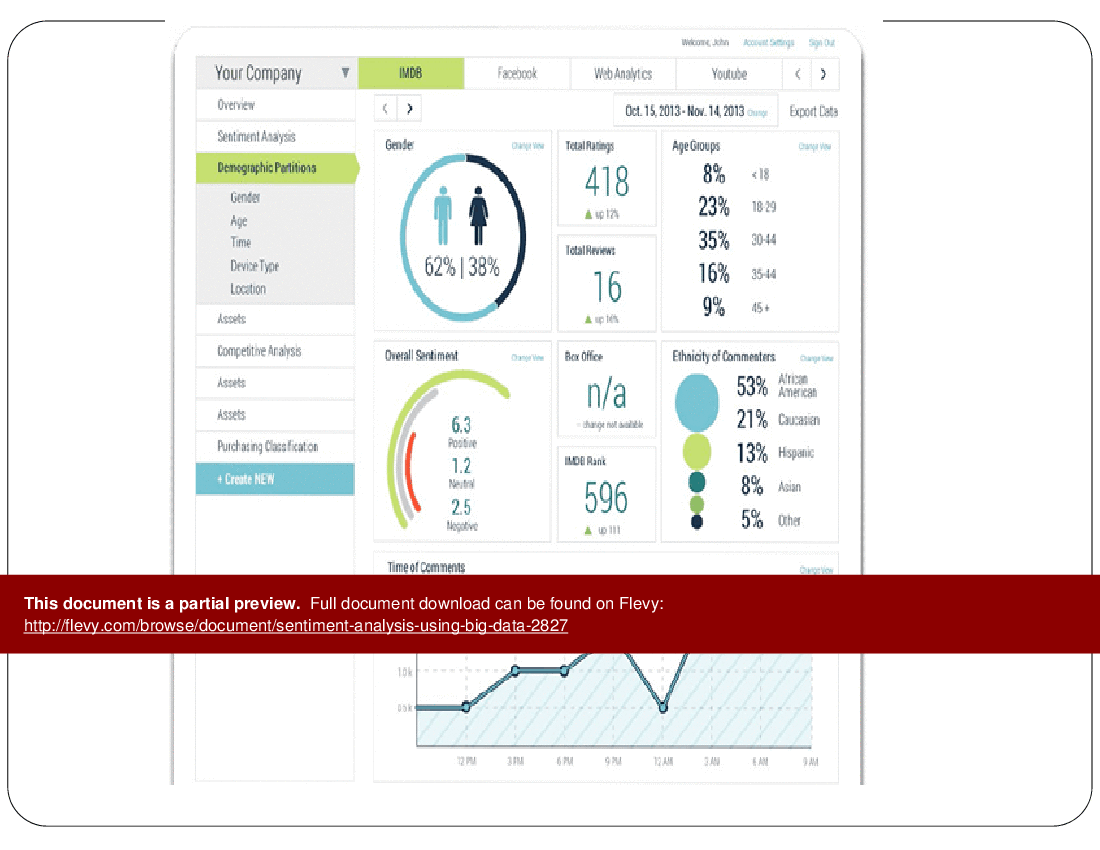
• Visual representations of sentiment trends over time
• Case study slides demonstrating sentiment analysis in action
• Charts comparing sentiment across different brands
• Detailed breakdown of sentiment scores using Semantria
Potential Workshop Agenda
Introduction to Sentiment Analysis (30 minutes)
• Define sentiment analysis and its importance
• Discuss real-world applications and case studies
Hands-on Semantria Training (60 minutes)
• Walkthrough of the Semantria tool
• Practical exercises in analyzing sentiment data
Competitive Analysis Workshop (45 minutes)
• Group activity comparing sentiment across brands
• Identify key insights and implications for strategy
Customization Guidance
• Tailor the sentiment analysis framework to fit specific industry needs
• Adjust case studies to reflect relevant market segments
• Update data collection templates to include specific customer touchpoints
• Modify reporting templates to align with organizational metrics
Secondary Topics Covered
• The role of sentiment analysis in market research
• Techniques for improving sentiment analysis accuracy
• Ethical considerations in sentiment data collection
• Future trends in sentiment analysis technology
Topic FAQ
Document FAQ
These are questions addressed within this presentation.
What is sentiment analysis?
Sentiment analysis is the process of determining whether a piece of text expresses a positive, negative, or neutral sentiment, often applied to customer feedback and social media data.
How does sentiment analysis work?
It works by analyzing text data to detect emotional tone, often using algorithms that score words and phrases based on their sentiment polarity.
What tools are available for sentiment analysis?
Tools like Semantria provide capabilities for analyzing sentiment in text data, offering insights into customer opinions and trends.
Can sentiment analysis be applied to social media?
Yes, sentiment analysis is widely used to evaluate public sentiment on social media platforms, helping brands understand customer perceptions.
What types of data can be analyzed for sentiment?
Sentiment analysis can be applied to various data types, including product reviews, social media posts, customer emails, and survey responses.
How can sentiment analysis inform business decisions?
By understanding customer sentiment, businesses can make informed decisions regarding marketing strategies, product development, and customer service improvements.
What are common challenges in sentiment analysis?
Challenges include accurately interpreting sarcasm, context, and cultural nuances in language, which can affect sentiment scoring.
How often should sentiment analysis be conducted?
Regular sentiment analysis is recommended, especially during product launches or after marketing campaigns, to track changes in customer perception.
Glossary
• Sentiment Analysis - The process of determining the emotional tone behind a series of words.
• Semantria - A tool used for conducting sentiment analysis on text data.
• Facets - Key themes or topics identified in sentiment analysis.
• Attributes - Descriptive words that provide context to facets in sentiment analysis.
• Polarity - The classification of sentiment as positive, negative, or neutral.
• Competitive Analysis - The assessment of competitors' sentiment to identify market positioning.
• Data Sources - Platforms from which sentiment data is collected, such as social media and review sites.
• Customer Feedback - Information provided by customers regarding their experiences and opinions.
• Trends - Patterns in sentiment data over time that can inform business strategies.
• Market Research - The process of gathering, analyzing, and interpreting information about a market.
• Ethical Considerations - The moral implications of collecting and analyzing sentiment data.
• Text Data - Information in written form that can be analyzed for sentiment.
• Emotional Tone - The underlying feeling expressed in a piece of text.
• Algorithms - Mathematical formulas used to analyze data and derive insights.
• Cultural Nuances - Subtle differences in language and expression that vary across cultures.
• Customer Touchpoints - Interactions between a customer and a business that can be analyzed for sentiment.
• Reporting Templates - Structured formats for presenting sentiment analysis findings.
• Market Positioning - The strategy used by a brand to differentiate itself from competitors.
• Product Development - The process of creating or improving products based on customer feedback.
• Marketing Strategies - Plans developed to promote products or services based on market insights.
• Customer Service Improvements - Enhancements made to customer support based on sentiment analysis findings.
Source: Best Practices in Big Data PowerPoint Slides: Sentiment Analysis Using Big Data PowerPoint (PPTX) Presentation Slide Deck, Arbalest Partners
This document is available as part of the following discounted bundle(s):
Save %!
Big Data Primer (Full)
This bundle contains 7 total documents. See all the documents to the right.
|
Download our FREE Digital Transformation Templates
Download our free compilation of 50+ Digital Transformation slides and templates. DX concepts covered include Digital Leadership, Digital Maturity, Digital Value Chain, Customer Experience, Customer Journey, RPA, etc. |